
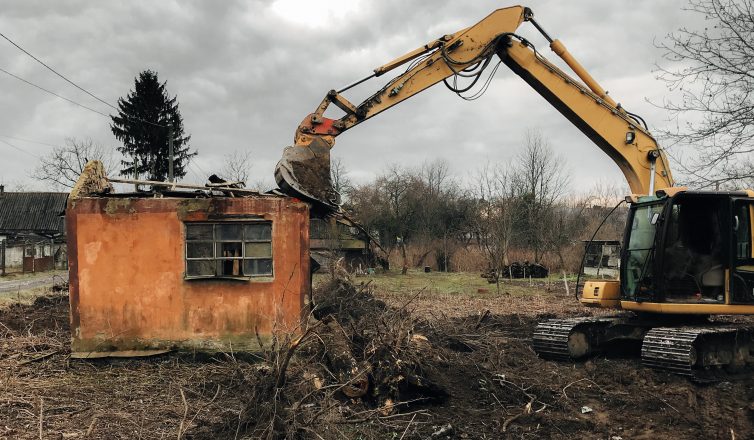
Preparing to demolish a structure is not a small task. Excavators, sledgehammers, and tetanus shots await both the homeowner cleaning out an unwanted shed in Longview, TX, or the business owner demoing their existing Marshall storefront. Legal requirements, job site safety rules, and muscle injuries are just a few more things to consider before swinging your first punch.
Successful clean-outs start with the proper planning; many projects underestimate the massive amount of debris produced by even small tear-downs.
Not following your city and county guidelines can lead to even bigger headaches when starting your demolition cleanup. Make sure you know what Harrison County and Smith County require before swinging that first hammer.
Common Demolition Mistakes
Do yourself a favor and make sure the utilities are turned off at your structure. Meaning: cut it with a chainsaw if you have to, but make sure those power lines and water lines don’t blow your project timeline (and budget).
You might be surprised how heavy debris can get, too. Your run-of-the-mill interior wall can yield 200+ pounds of debris, including drywall, studs, insulation, etc. Make sure you have enough room in that dumpster to haul all of it away once you’re done.
Safety might not be the most urgent consideration when you’re getting rid of junk, but wearing proper gear is key.
Always inspect the building before you wreck the building, especially if there are hazardous materials like asbestos or lead paint.
And finally, Lax research of local ordinances can cost you some serious cash. People often assume that if they own the land, they can demolish any structure on it without permission. This is almost never true — especially if your building’s within city limits. Before swinging that first hammer, make sure you know the rules regarding demolition permits.
Understanding Demolition Permits
You may have heard from friends or contractors that you need a permit to demolish a structure. This is typically true for most building removals within the City of Longview and surrounding East Texas Communities. A demolition permit is your ticket to starting work; it’s issued by your local building department and allows you to legally wreck that structure you bought into the ground. When issued, the city wants to make sure the teardown won’t negatively affect your neighbors or local infrastructure.
Applicants will typically need to submit a site plan showing the property in question, proof of insurance, and a description of how the waste will be managed.
Another common stipulation for most East Texas Counties is to obtain a “kill letter” from your utility company. This certifies to the building inspector that utilities such as gas, water, and electricity have been shut off to the property. Some jurisdictions will require you to have an environmental survey conducted prior to demolition, usually this pertains to commercial buildings or older homes that may contain asbestos.
Posting your permit visibly on the job site is also important; you may receive a “stop-work” violation, which could stall your project for weeks.
Safety Tips Before Any Demolition Project
There are a few simple safety tips to know before swinging a bat at your next demolition project.
Inspect Before Demolition
Know where your supports are before you take the entire structure down. Accidentally cutting a load-bearing wall is how you get the roof to cave in.
Create a “drop zone” for rubble — a place for all of your debris to pile up while tearing down walls.
Make sure kids, pets, and passersby cannot enter this area while demo work is being performed.
Gear Up
Hard hats, steel-toed boots, heavy gloves, and eye protection should be standard for anyone on site. Dust from demolition can stay in the air for a lot longer than you think, so high-quality respirators are a must. If you’re removing a roof or working higher than six feet from the ground, fall protection is necessary — as well as keeping first aid and fire extinguishers handy at all times.
Demolition Waste
Once everything is knocked down, you’ll be left with a big pile of junk. Wood, brick, metal, drywall, and concrete will all need to be sorted and properly disposed of.
Texas has specific laws regarding the waste that goes to a normal landfill vs. a dedicated construction and demolition recycling facility. Construction debris mixed with household trash can even get you fined when you arrive on-site — or turned away completely.
How to Handle Demolition Debris and Waste Removal
Demolition cleanup is usually the worst part of any project. Sorting demolition waste comes with the territory if you’re doing it yourself. Metal should always be recycled when possible, and clean wood may also have some salvage value. For homeowners everywhere, the easiest way to deal with the wreckage and manage construction debris is renting a roll-off dumpster.
Dumpsters help you keep work areas relatively clean as you go. Sort your materials as you go, too, if you can – that’ll avoid bulky trash piles in your yard that are even harder to deal with. Large piles of debris also create safety hazards — tripping on dangerous rubble and puncture wounds can all be emergency-room worthy.
Professional Demolition Contractor In East Texas
Have you considered hiring someone to do all of the work for you? Professional demolition contractors come equipped with specialized tools and equipment. A bulldozer, skid steer, and breaker may speed up your demolition timeline. Contractors are also familiar with local ordinances and can often manage the permitting process on your behalf.
Professional demolition contractors in East Texas can help with the demo and removal of almost every material. These services allow you to leave the site “broom clean” and ready for your next project.
Locally owned and operated in East Texas, we proudly serve residents in Longview, Tyler, Henderson, and surrounding areas. We specialize in demolishing mobile homes, small barns, trailers, and other small structures quickly and efficiently. Call today to see how we can help you clear space and lighten your load!