
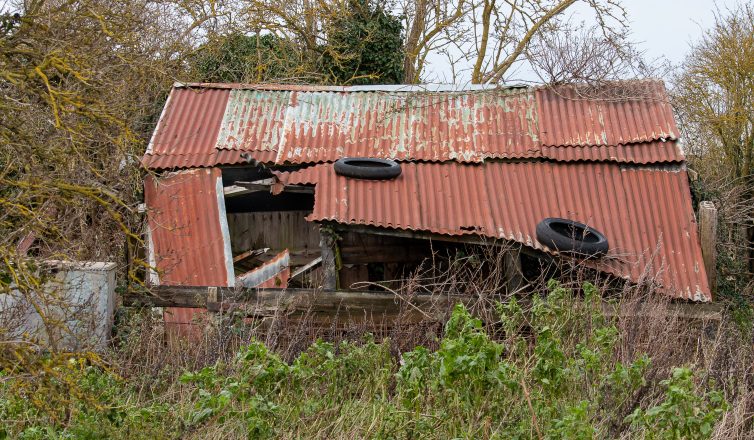
There’s always that one structure in the backyard that has seen better days. Maybe it started as a proud workshop in Henderson or a crisp, clean storage unit in Tyler. Over the years, however, the seasons change, the storms roll through, and that once-sturdy building transforms into an eyesore. It sits there, collecting cobwebs, housing wasps, and slowly leaning closer to the ground. Deciding to tear down a part of your property is never a light decision, but keeping a hazardous structure standing is a risk that often outweighs the nostalgia.
In this guide, we will walk you through the critical indicators that your outdoor structure has reached the end of its lifespan. We are going to look closely at the physical warnings, the safety risks, and the practical steps involved in clearing the way for something new. Whether you are in Longview or right here in our home base of Henderson, understanding the condition of your outbuilding is the first step toward reclaiming your yard.
The Reality of Aging Backyard Structures | Shed Demolition
There is a distinct difference between a shed that needs a fresh coat of paint and one that needs to come down entirely. We often talk to homeowners who believe a few new boards might save a structure that is fundamentally compromised. The humidity in East Texas is relentless, and it works silently to break down wood fibers and rust metal fasteners long before the damage becomes visible to the casual observer.
When you look at your shed, try to remember when it was built. If it has been standing for twenty years with minimal maintenance, the structural integrity is likely questionable. Shed demolition becomes a necessary conversation when the cost of repairs exceeds the value of the structure itself. We have seen cases where homeowners spent hundreds of dollars patching roofs, only to have the walls buckle a few months later because the frame was rotted through. It is about recognizing that sunk costs are real; pouring money into a failing building is rarely a wise investment.
Beyond the financial aspect, think about utility. Is the space safe to enter? Do you trust the floor to hold your weight? If you find yourself hesitating to open the door because you are afraid of what might fall on you — or what might scurry out — that is a clear signal.
Recognizing Severe Wood Rot and Decay
Wood rot is the silent killer of outdoor structures. In our humid climate, moisture seeps into the grain of the wood, creating an environment where fungi thrive. This isn’t just about ugly discoloration; it is about the physics of the building holding itself up. You might notice soft spots in the flooring or siding that crumbles when you poke it with a screwdriver. This is what we call “dry rot” or “wet rot,” depending on the moisture levels, and both are catastrophic for stability.
When examining the base of your shed, look where the wood meets the ground or the concrete pad. This is usually where the rot begins. If the sill plate—the bottom-most horizontal beam—is compromised, the entire weight of the walls and roof is resting on decaying material. We often see sheds in East Texas that look fine from a distance, but up close, the bottom three inches of the siding have turned to mulch.
If you see fungal growth, like mushrooms sprouting from the corners of the ceiling or baseboards, the internal damage is likely extensive. At this stage, shed demolition and removal is the safest path forward. Trying to replace a sill plate on an already unstable shed is dangerous and difficult work.
Persistent Leaks and Unfixable Weather Damage
We are all familiar with the storms that roll through East Texas. High winds, hail, and torrential rain take a toll on roofs. A single leak might seem manageable—perhaps you just place a bucket under the drip and forget about it. However, water is persistent. It travels along beams, drips behind insulation, and pools in corners you cannot see.
Over time, these leaks destroy the roof sheathing and the trusses. If you look up and see daylight through the roof, or if the shingles are curled, cracked, or missing entirely, the barrier against the elements is gone. Water damage leads to mold, which we will discuss later, but it also causes the wood to swell and warp. This warping pushes the frame out of alignment.
When a roof line begins to sag, looking like a swaybacked horse, the structural ridge beam has likely failed. No amount of patching will fix a broken spine. At this point, you need a professional demolition contractor to safely dismantle the roof before it collapses on its own. We have witnessed sheds where the roof collapsed after a heavy rain because the support beams had the consistency of a wet sponge.
Structural Instability and The Leaning Shed
Have you ever looked out your window and thought the shed looked a bit… crooked? A leaning shed is not just a quirky feature; it is a sign of foundation failure. This can happen for several reasons. The ground beneath the shed might have shifted or eroded, especially if you have drainage issues in your yard. Alternatively, the fasteners holding the wall studs to the floor have rusted away, allowing the walls to rack or tilt.
Test the stability by giving the corner of the structure a firm push. If the whole building sways or groans, it is structurally unsound. A stable building should not move when you lean on it. This instability creates a severe hazard, especially for children or pets playing nearby. If the structure shifts unexpectedly, it could result in serious injury.
When the geometry of the building changes — doors that won’t close, windows that crack, or gaps appearing between the walls and the roof — the frame is under stress it cannot handle. Bringing in residential demolition services to bring the structure down in a controlled manner is much safer than waiting for gravity to do the job during the next thunderstorm.
Safety Hazards | Pests, Mold and Chemicals
An abandoned or deteriorating shed is a five-star hotel for pests. In our area, we frequently encounter rodents, snakes, opossums, and aggressive wasps taking over these spaces. Rodents love to chew through electrical wiring (if the shed has power), creating a fire risk. Their droppings also carry diseases like Hantavirus. If you open the door and are hit with the overwhelming smell of ammonia or musk, you have a severe infestation.
Mold is another major safety concern. Black mold thrives in the damp, dark environments of a leaky shed. Breathing in mold spores can cause respiratory issues for you and your family, even if you are just in the backyard near the structure.
Additionally, old sheds are often dumping grounds for old chemicals—paint thinner, gasoline, pesticides, and oils. As the shed deteriorates, shelves collapse, and bottles break, spilling these toxins onto the rotting floor and into the soil below. A professional demolition and junk removal team knows how to handle these hazardous environments. We wear the proper protective gear to avoid breathing in mold or stirring up pest waste, protecting your health while we clear the hazard.
Reclaiming Your Yard for Better Use
Sometimes, the decision isn’t about the shed falling down; it is about what else you could do with that space. Land in East Texas is valuable, and a rotting 10×10 shack is taking up prime real estate. Think about the possibilities: a new patio, a garden, a play area for the kids, or perhaps a modern, larger workshop that actually adds value to your property.
An ugly, dilapidated outbuilding lowers your property value and curb appeal. If you are thinking of selling your home, a potential buyer will look at that crumbling shed and see a liability, not an asset. They see a project they will have to pay for. By proactively handling the removal, you increase the attractiveness of your home.
Utilizing demolition and hauling services allows you to wipe the slate clean. We remove not just the wood and metal, but the stress of looking at an unfinished project every day. It clears the mental clutter as well as the physical clutter.
The Demolition Process | How It Works
You might be thinking, “Can’t I just knock it down with a sledgehammer?” While the DIY spirit is admirable, tearing down a building is more complex than it appears on television. There is a specific order of operations to prevent the roof from collapsing on you or the walls falling outward onto a fence or neighbor’s property.
Assessment and disconnects
First, we assess the materials. Is there glass? Is there electricity running to the shed? All utilities must be safely disconnected before a single board is pried loose. We also check for asbestos, which was common in older siding and roofing materials.
Deconstruction strategy
A professional demolition company dismantles the structure methodically. We typically start by removing the doors and windows, then stripping the siding. The roof comes down next, piece by piece or via mechanical means if space allows. Finally, the frame is cut apart and the floor is pulled up.
The foundation
Many sheds sit on concrete slabs or cinder blocks. Breaking up a concrete slab requires jackhammers and heavy labor. If the shed is on skids, those need to be hauled away. We make sure the ground is left clear, without jagged nails or broken glass hidden in the grass.
Handling the Debris | The Hauling Phase
The hardest part of demolition isn’t knocking the walls down; it is getting rid of the pile of trash you have created. A standard 10×12 shed creates a massive volume of debris—wood, shingles, metal, and trash. You cannot simply put this out for the city trash collector.
This is where hiring a full-service team shines. We bring the trucks and the dumpsters. We handle the heavy lifting. You don’t have to worry about renting a trailer, making multiple trips to the landfill, or paying dumping fees. We handle the shed demolition and removal as a single, seamless package.
Furthermore, we prioritize responsible disposal. We separate recyclable metals and clean wood from the landfill waste whenever possible.
Why Professional Help Matters
There is a significant risk of injury during demolition. Rusty nails are everywhere. Boards under tension can snap back and hit you. Working on a rotting roof is a recipe for a fall. Tetanus is a real risk when dealing with old, rusty structures.
By hiring a dedicated demolition contractor, you transfer that liability to us. East Texas Junk Removal are insured and trained to handle these risks. We have the pry bars, the reciprocating saws, and the protective equipment to do the job efficiently. What might take you three weekends of back-breaking labor takes us a few hours.
We also handle the unexpected. If we find a massive wasp nest in the wall, we know how to deal with it. If we discover the floor is covering a sinkhole, we can work around it. Our experience in Henderson and the surrounding areas means we have seen it all.
Preparing for the Demolition Team
If you have decided to move forward, there are a few things you can do to help the process go smoothly.
- Clear a path: Make sure our trucks can get as close to the shed as possible. Move vehicles, grills, or patio furniture out of the way.
- Empty the shed (if safe): If the shed is safe to enter, remove any items you want to keep. If it is not safe, let us know, and we can try to retrieve items during the demolition process, though we prioritize safety first.
- Secure pets: The noise of demolition can be stressful for dogs and cats. Keep them inside while we work.
- Mark underground lines: If you know where your sprinkler lines or septic tank are, please point them out to us to avoid any accidental damage.
Cost Factors in Demolition
The cost to tear down a shed varies based on several factors. Size is the most obvious—a small tool shed is cheaper than a two-story barn. Access is another factor; if we have to hand-carry debris 100 yards because the truck can’t get to the backyard, that increases the labor time.
The materials matter too. A metal shed is often easier to take down than a wooden one constructed with heavy timber. Conversely, a shed with a concrete foundation that needs removal will increase the price due to the weight of the concrete. Despite these variables, using residential demolition services is often more cost-effective than renting tools and dumpsters yourself, especially when you factor in the value of your time and safety.
Ignoring a deteriorating shed will not make the problem go away. In fact, gravity and weather will only make the situation worse and more expensive to resolve. From the structural instability caused by wood rot to the health hazards posed by mold and pests, a failing outbuilding is a liability you do not need.
By recognizing the signs—leaning walls, sagging roofs, and crumbling foundations—you can take action before an accident happens. Reclaiming your backyard improves your property value and gives you peace of mind. You don’t have to live with an eyesore in your yard any longer.
We are proud to serve our neighbors in East Texas. Whether you are in Tyler, Longview, or right here in Henderson, we are ready to do the heavy lifting for you. Let us help you clear the clutter and open up new possibilities for your outdoor space.
Is your shed leaning, rotting, or just taking up space? Don’t wait for it to fall down on its own. Contact East Texas Junk Removal today. We are your trusted partner for safe, efficient, and complete removal.
Ready to reclaim your yard? Call us now for a free estimate on your shed demolition!
Frequently Asked Questions (FAQ)
Q. Do I need a permit for shed demolition and removal in East Texas?
Many municipalities in East Texas do not require a permit for demolishing small, non-habitable structures like sheds, especially if they are under a certain square footage. However, regulations can vary between Henderson, Tyler, and Longview. We recommend checking with your local city planning department or allowing us to help guidance on local requirements.
Q. How long does it take for a demolition company to tear down a shed?
Most standard garden sheds can be demolished and removed in a single day. Larger structures or those with complex foundations may take longer. Our goal is always to complete the job efficiently while maintaining safety standards, leaving your yard clean by the time we leave.
Q. Can you perform demolition and junk removal if the shed is full of trash?
Yes, absolutely. We offer comprehensive demolition and hauling services. We can clear out the contents of the shed first, separate recyclable materials from trash, and then proceed with the demolition of the structure itself. You do not need to clean it out beforehand if you don’t want to or if it is unsafe to do so.
Q. What do you do with the debris after the demolition contractor finishes?
We believe in responsible disposal. We haul all debris to licensed landfills and recycling centers. Usable materials, scrap metal, and clean wood are separated whenever possible to reduce environmental impact. We handle all the hauling fees and logistics so you don’t have to worry about it.
Q. Is it safe to demolish a shed with mold or rot myself?
We strongly advise against DIY demolition for structures with severe mold, rot, or potential pest infestations. Breathing in mold spores or disturbing rodent nests can cause serious health issues. Additionally, rotting structures are unpredictable and can collapse. Hiring professional residential demolition services ensures the job is done with the proper safety gear and expertise.